Report 2026-01-28 • 5,138 views

P.T.O.C Yemen Center reveals a network of suspicious ships that support the Houthis and violate international sanctions
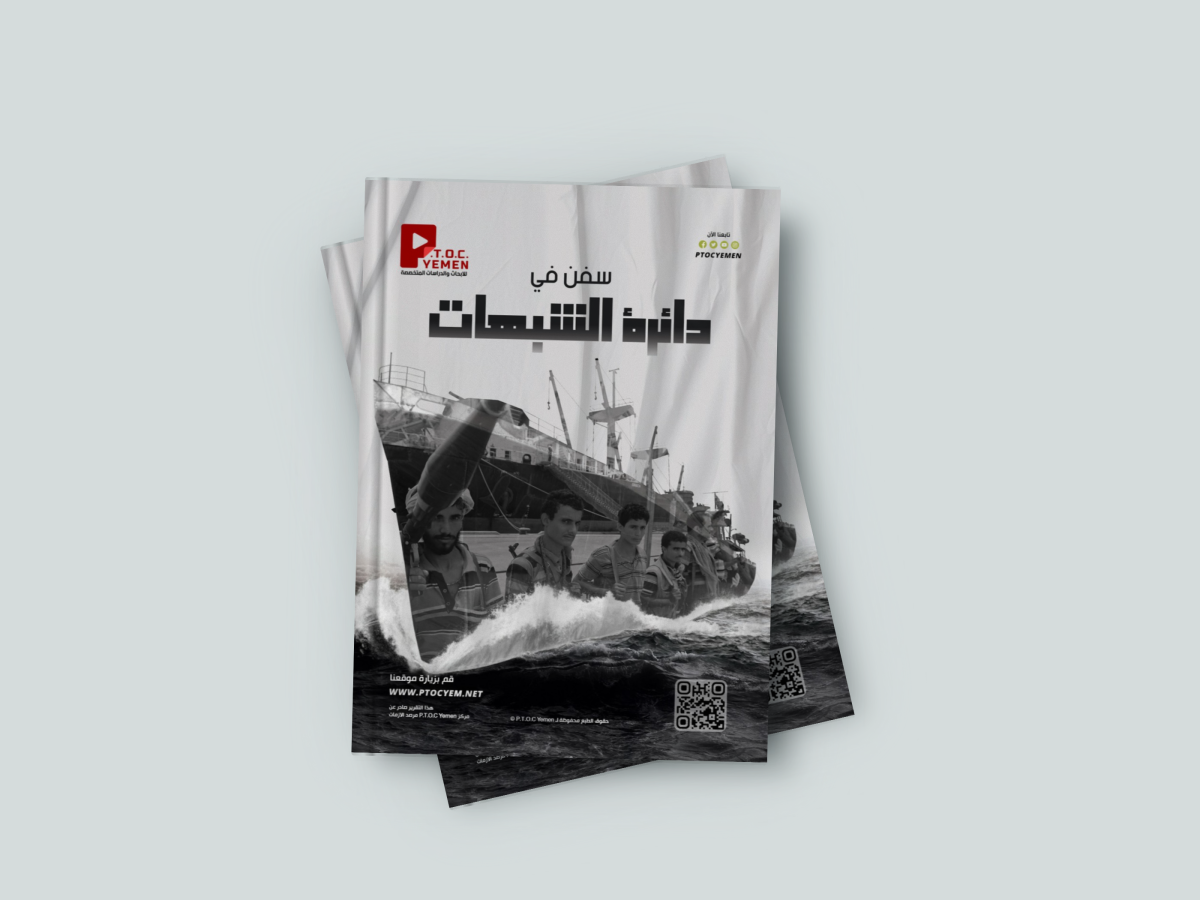
The P.T.O.C. Yemen Center for Specialized Research and Studies issued a new report titled "Ships Under Suspicion," revealing a complex maritime network of commercial vessels, oil and gas tankers, asphalt carriers, and container ships operating within what is known as the "shadow fleet." This network is implicated in supporting the Houthi terrorist militia by smuggling fuel and logistical supplies, including military shipments, in clear violation of international sanctions and UN verification and inspection mechanisms.

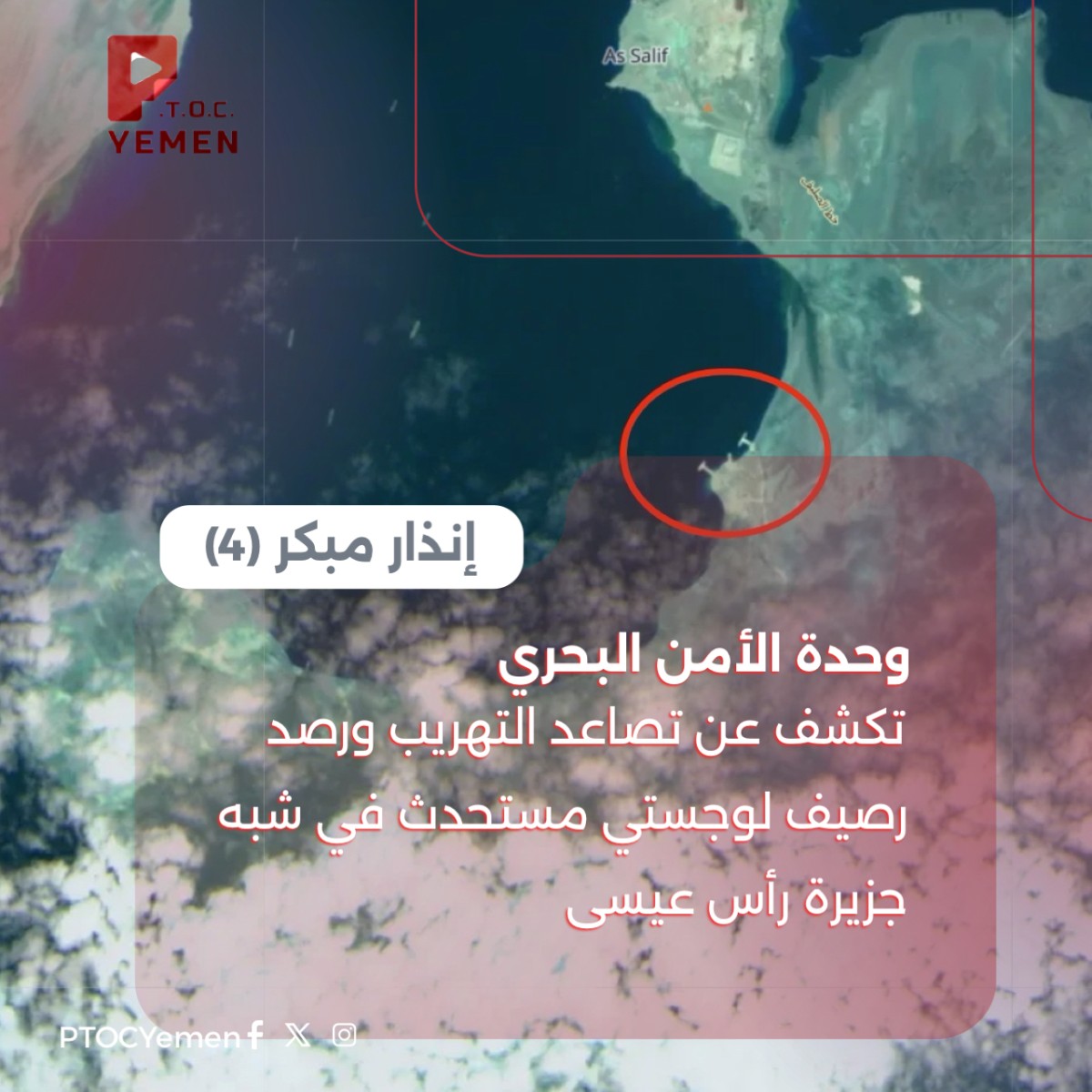
The report details a systematic pattern of suspicious maritime movements that relies on manipulating Automatic Identification System (AIS), changing names, flags, and legal ownership of vessels, and using front companies and shipping agents in several countries. This allows them to circumvent the UN Verification and Inspection Mechanism in Djibouti and ensure the delivery of shipments to Yemeni ports under Houthi control, primarily Salif, Ras Isa, and Hodeidah.

According to maritime tracking data analyzed by the Center’s Crisis Observatory, several vessels were observed conducting undeclared voyages, including ship-to-ship transfers (STS), and using the ports of Djibouti, Salalah in Oman, and Bosaso in Somalia as transit points to conceal the origin and true destination of their shipments. The report indicates that some vessels continued their operations despite operating outside the scope of official sanctions, exploiting loopholes in maritime registration, tracking, and monitoring systems.

In one of the most notable field incidents, the report documents the movements of the MING RI 101, an asphalt tanker flying the Comoros flag. Tracking data shows that it departed the vicinity of Salalah Port in Oman on July 25, 2025, heading towards the Gulf of Aden. It then approached to within approximately 25 nautical miles of the coast of Lahj Governorate. Subsequent data indicates that the vessel returned to international waters and reactivated its maritime identification system (MID) 44 nautical miles off the coast of Al Ghaydah, Yemen. On August 9, it changed course again, heading through the Bab el-Mandeb Strait towards the ports of Salif and Ras Isa, with repeated signal shutdowns recorded during critical phases of the voyage.

In another documented example, the report reveals the movements of the liquefied natural gas (LNG) tanker Camelia, flying the flag of Saint Kitts and Nevis and operated by Aliya Marine. Data shows the vessel entering the port of Ras Isa on several occasions without passing through the UN Verification and Inspection Mechanism in Djibouti—most recently on August 28, 2025. According to the report, the ship circumvented the inspection system by claiming its final destination was Sudan, before actually heading to ports controlled by the Houthis.

The center explains that these movements of the LNG tanker raise serious suspicions, especially given that no Yemeni gas exports originate from the Ras Isa oil facility in Hodeidah, but rather from the Balhaf gas facility in Shabwa. This strengthens the hypothesis that the vessel is being used to transport undeclared shipments related to supporting the Houthis' military capabilities.

The report also highlights a highly serious issue concerning the container ship DARK OCEAN, flying the Belizean flag. The ship entered the port of Hodeidah on August 7, 2025, arriving from Djibouti. According to field information obtained by the center, the ship remained in Djibouti for an extended period and underwent inspections during which containers containing spare parts and weapons were discovered.

Field information from the Crisis Observatory indicates that arrangements were made to allow the suspicious containers to be unloaded before the ship was permitted to continue its voyage to Hodeidah. The report adds that during 2024 and 2025, the ship made at least 16 transit voyages between Djibouti, Hodeidah, and Port Sudan in Sudan, without calling at any actual port of origin. This pattern is used to conceal the nature of the cargo. The shipping agency is based in Tehran, Iran, suggesting the existence of an organized, cross-border logistics network.

The P.T.O.C. Yemen Center warns that the continued activity of these maritime networks directly contributes to funding the Houthi war effort, prolongs the conflict in Yemen, threatens international maritime security in the Red Sea and the Gulf of Aden, and undermines international efforts to protect global trade routes. The Center emphasizes that the aforementioned incidents and vessels represent only a limited sample of the report's contents, which include extensive documentation and detailed analysis of a broader network of suspicious vessels, with a list of 35 ships involved in similar activities.

The report concludes with a series of recommendations, most notably imposing direct international sanctions on the ships, companies, and shipping agents involved; strengthening verification and inspection mechanisms; expanding the exchange of maritime intelligence; supporting the Yemeni government's tracking and verification efforts; launching a special UN investigation into the use of Yemeni ports as smuggling hubs linked to Russian and Iranian networks; and monitoring the international bank accounts of associated shipping companies.

You can download the report file directly
Download Report