A new report by the Platform for Tracking Organized Crime and Money Laundering in Yemen (P.T.O.C) reveals Iran’s secret strategy to finance the Houthis through the drug trade
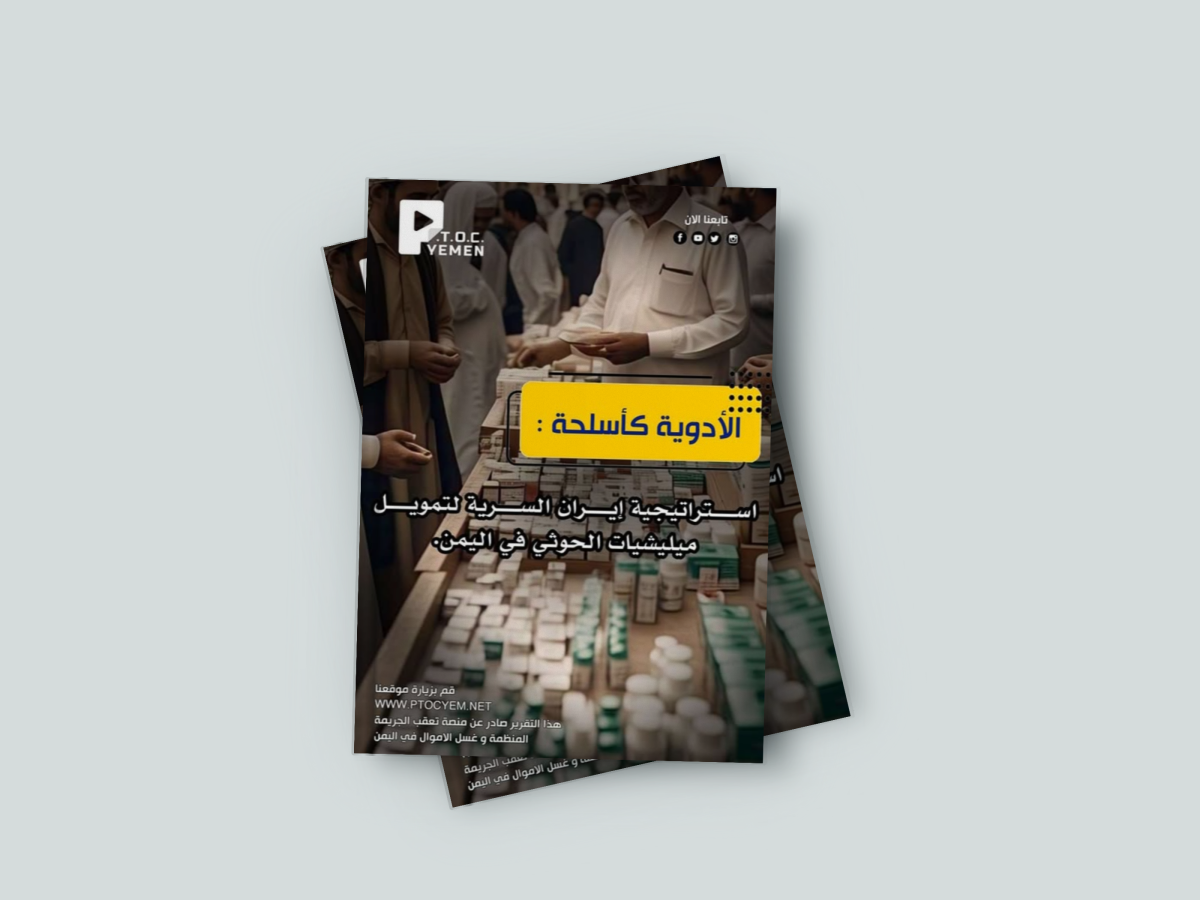
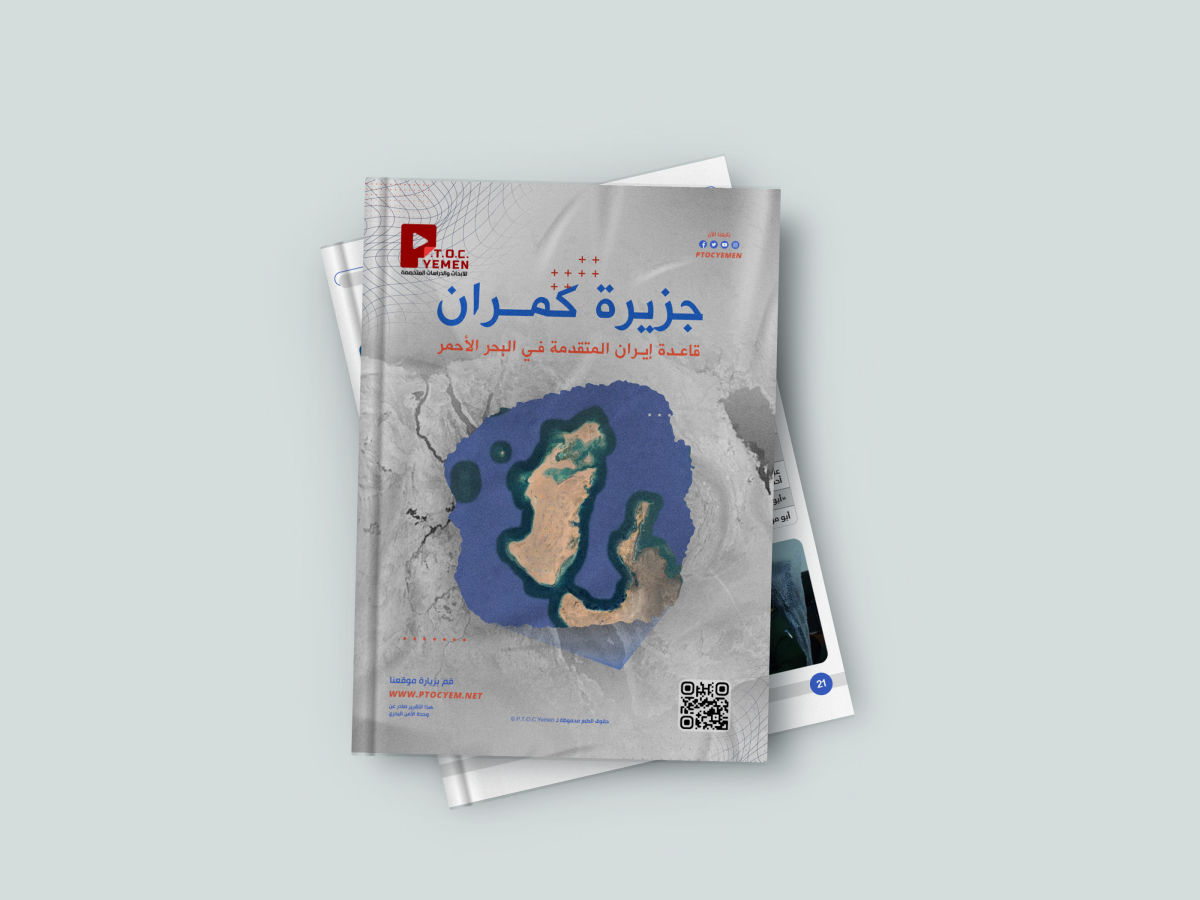
A new report issued by the Platform for Tracking Organized Crime and Money Laundering in Yemen, a division of the P.T.O.C. Center for Specialized Research and Studies, confirms that Iran has used the pharmaceutical trade as a weapon in the ongoing conflict in Yemen. It has transformed the export of medicines to Houthi-controlled areas into a clandestine mechanism for financing the war, consolidating control, and perpetuating chaos.
The report, titled "From Healing to Harm: The Role of Iranian Medicines in Yemen's Conflict Economy," reveals the intricate network of Iran's funding strategy. It shows how well-manufactured and safe medicines are systematically replaced with Iranian alternatives by granting exclusive agency rights to companies affiliated with the Houthi militia. Tehran is turning the pharmaceutical sector into a lifeline for its Houthi allies through a well-devised strategy that not only supports the militia but also undermines Yemen's fragile health system, exacerbating the suffering of the population, particularly vulnerable groups. Yemen is experiencing a severe health crisis, with only 50% of hospitals operating fully or partially.
The report highlights the objectives of Iran's funding of the Houthi militia through pharmaceutical exports, which have been increasing since the outbreak of the war in 2015. Iran's covert strategy aims to bolster the economic standing of its proxy militia by providing a stable and clandestine financial flow through Iranian medicine exports, enabling it to expand military operations towards liberated areas and exert complete influence over areas under its control. It also seeks to replace trusted medicines with Iranian ones, generating higher profit margins for Houthi entities.
Among the long-term and dangerous objectives is the consolidation of dependence on Iranian pharmaceutical products within Yemen's healthcare system, ensuring a long-term market for Iranian medicines while reducing the presence and influence of imported and locally manufactured pharmaceutical companies. This creates a controlled medical supply chain that solidifies Iranian influence in the region and monopolizes the pharmaceutical market in Yemen.
The report indicates that Iran aims to direct the revenues from the pharmaceutical trade to finance the Houthi militia's war, including the purchase of weapons, logistics, and recruitment, as part of its broader regional strategy to destabilize adversaries and maintain influence in Yemen. Iran has used these tactics and economic tools, such as trade, smuggling, and counterfeit goods, to finance militias in Lebanon, Iraq, and Syria. Iranian-backed groups like Hezbollah and other organizations have benefited from trade monopolies and smuggling networks.
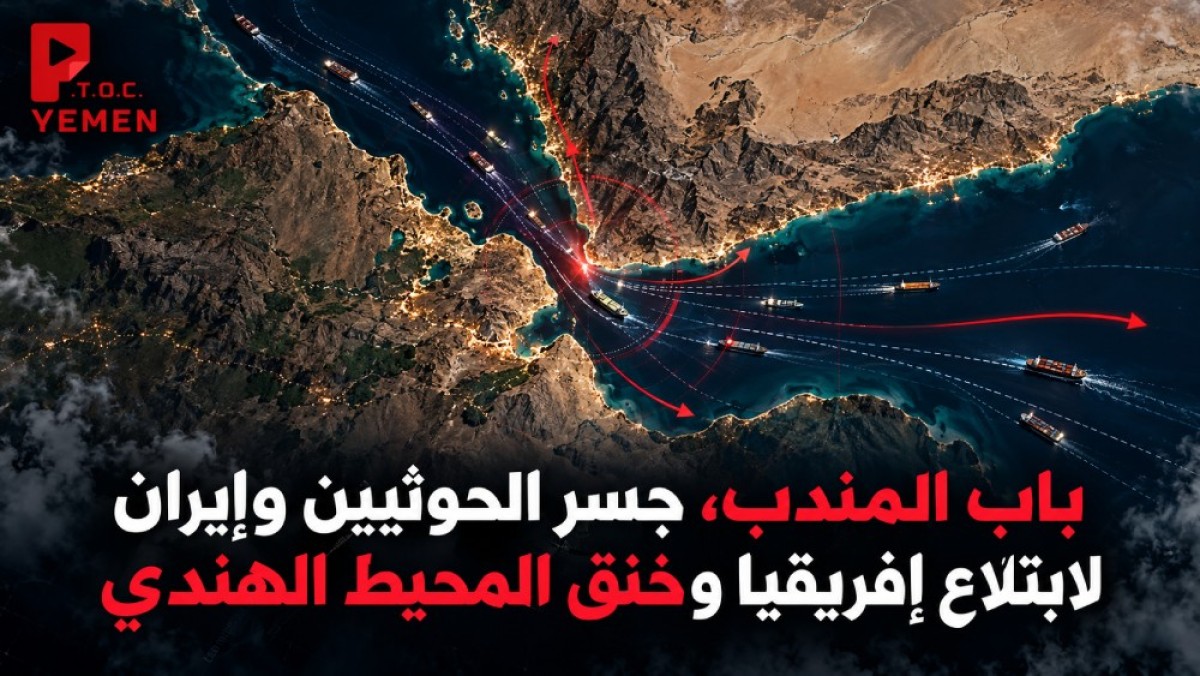
Iran also integrates Yemeni companies and Houthi-affiliated entities into a broader network of allied organizations, enhancing coordination and enabling it to project power across the Arabian Peninsula, confront Saudi Arabia, and control strategic sea routes such as the Bab el-Mandeb Strait, using Yemen as a proxy battlefield to expand its regional influence.
The P.T.O.C. report focuses on the repercussions of Iran's funding of the Houthi militia through pharmaceutical exports. This funding mechanism undermines any local, regional, or international efforts to achieve peace and curtails any efforts for negotiation or settlement.
Regionally, Iran's support for the Houthi militia destabilizes the Gulf, exacerbating tensions with neighboring countries such as Saudi Arabia and the United Arab Emirates. It disrupts the pharmaceutical market in Yemen by promoting reliance on Iranian products, facilitating the spread of counterfeit medicines, and deepening the humanitarian crisis, one of the worst in the world, by denying vulnerable populations access to life-saving treatments.
The report addresses the risks posed by the Houthi funding strategy through pharmaceutical exports, namely the exacerbation of the humanitarian crisis, regional instability, economic collapse, and a global security threat.
It reveals the companies involved in financing the Houthis, most notably "Al-Najm Al-Akhdar for Trading Medicines and Medical Supplies," managed by Ibrahim Ismail Al-Wazir; the Iranian company "Ronak" and the agencies belonging to Mohammed Mahdi Abdullah Al-Shaer; "Taradhi for Trade and Agencies Limited" belonging to Hamoud Hussein Kharbash and Abdul Khaliq Al-Hamzi; "Majenico for General Trade and Agencies"; and the "Al-Faris for Medicines" establishment.
The report recommends imposing sanctions on the entities involved, strengthening oversight and regulation, and supporting alternative supply chains. It emphasizes the importance of raising awareness, promoting peace efforts, transparency, and increasing pharmaceutical aid.
Related Items
View More