A new report by the Platform for Tracking Organized Crime and Money Laundering in Yemen (P.T.O.C) reveals Houthi violations against African migrants through forced recruitment and military exploitation
The new report issued by the Platform for Tracking Organized Crime and Money Laundering in Yemen (P.T.O.C) reveals how the Houthi militia is exploiting African migrants as fuel for its war through forced recruitment and military exploitation. It also highlights their involvement in arms and human trafficking. Additionally, the report sheds light on the Houthis' crimes within the Al-Shohada Mosque in Sana’a and detention centers, which constitute gross violations of international law.
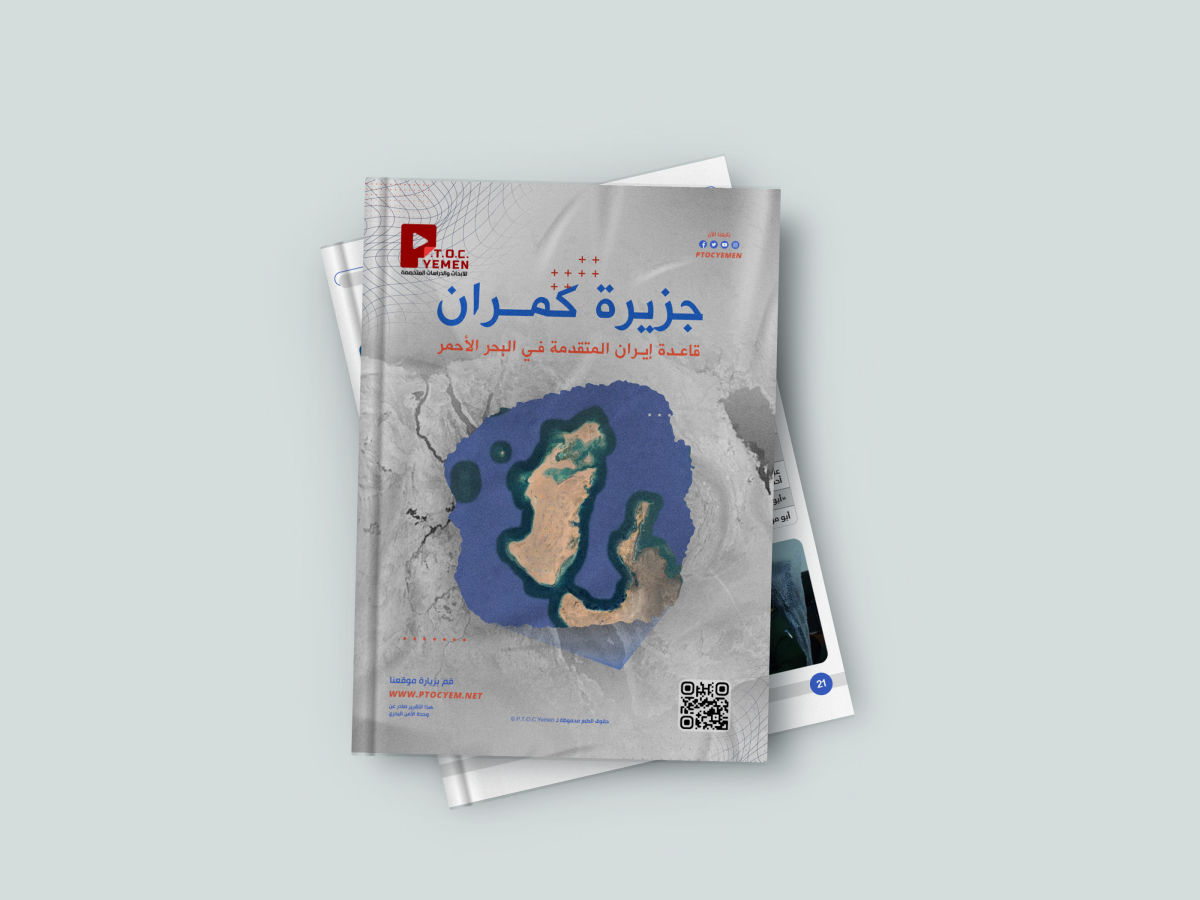
Continuing the activities of the P.T.O.C in monitoring the Houthis' operations in the Horn of Africa and their external expansion routes, the new report, titled "The Exploitation of African Migrants by the Houthis as Tools in Their Military Conflicts", relies on classified security and intelligence documents. It unveils how the Iran-backed Houthi militia has transformed several specific locations into training camps, recruitment hubs, and intelligence activity centers for Africans. Among the most prominent is Al-Shohada Mosque (Bab al-Yemen) in the capital, Sana’a, which is used to recruit African refugees in Yemen—primarily of Somali, Ethiopian, Eritrean, and Djiboutian nationalities. These individuals are subjected to intensive sectarian indoctrination courses and military training before being sent to battlefronts or the Horn of Africa. In return, they receive monthly salaries as part of the Houthis' effort to propagate their sectarian ideology and exploit these recruits for smuggling arms and fighters to Yemen via the Red Sea.
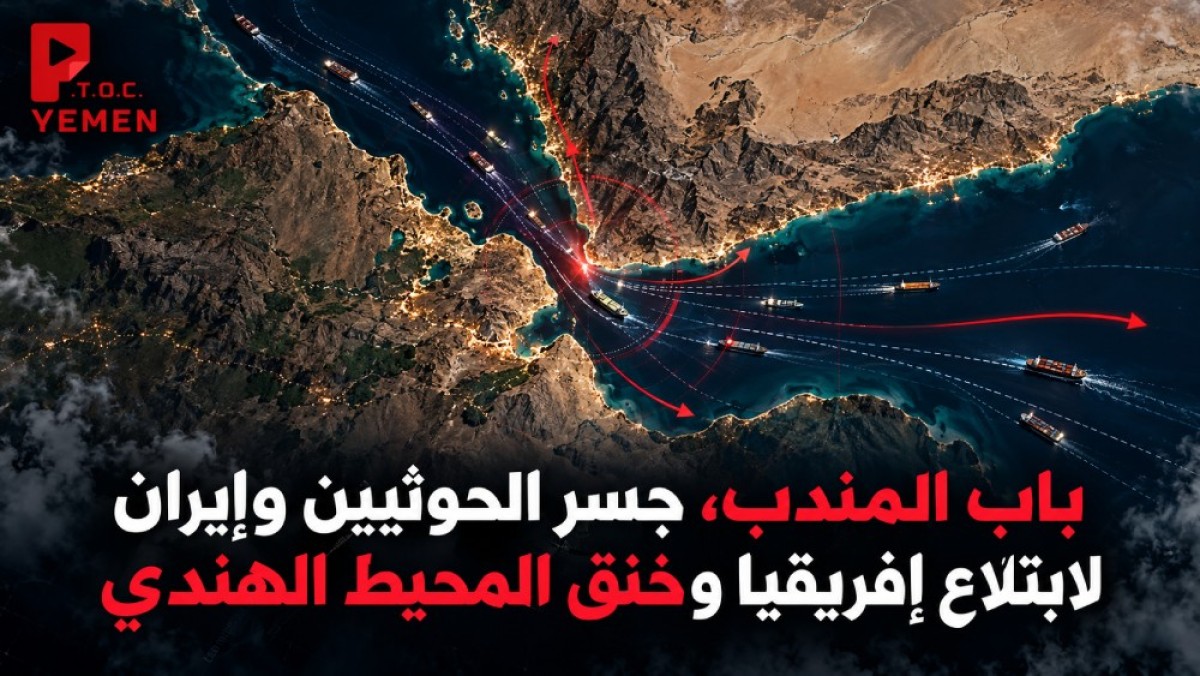
The Houthis have also established four additional military training centers for African migrants in Bajil (Al-Hudaydah Governorate), overseen by Yusuf Al-Madani; Al-Jawf, led by Badr Bazara’a; Saada, under Mutlaq Al-Marrani; and Hajjah, supervised by Abdullah Al-Tawoos. These efforts aim to bolster the Houthis' military and logistical capabilities, compensating for human losses in their battles. Additionally, the Houthis are strengthening their regional presence by threatening maritime trade routes, including the Red Sea, and disrupting international commerce.
Since their coup against Yemen’s legitimate government and their seizure of Sana’a and other provinces in September 2014, followed by the devastating war they ignited in March 2015, the Houthi militia, with Iran’s backing, has sought dominance in the Horn of Africa. Their strategy includes establishing a foothold at the entrance of the Red Sea, setting up military bases in the region, and spreading their sectarian Shia ideology.
Documents and information obtained by the platform reveal that some African groups frequenting the mosque have recently rebelled against and refused the Houthis' orders. These actions were in protest against ongoing violations and mistreatment, resulting in a dramatic escalation. The Houthis carried out a massacre inside Al-Shohada Mosque, which they attempted to suppress. This incident led to the death of an Eritrean group leader and injuries to others.
Yemen serves as a major transit point for migrants from the Horn of Africa heading to Gulf countries. However, the deteriorating security and humanitarian conditions have made these migrants easy targets for exploitation by the Houthis.
The P.T.O.C report references the death of dozens of African migrants and the injury of over 200 others in a tragic incident on March 7, 2021. In this event, Houthi forces fired projectiles at a migrant detention center managed by the Immigration, Passport, and Nationality Authority in Sana’a to disperse a protest against inhumane detention conditions and degrading treatment.
This report is part of a series previously issued by the platform, which disclosed the Houthis' dangerous activities in the Horn of Africa. It published confidential information and detailed insights for the first time about the Iran-backed militia's smuggling of weapons between the Horn of Africa and Yemen, as well as human trafficking activities.
Amid the COVID-19 pandemic, the Houthis intensified the forced transfer of thousands of migrants from northern Yemeni provinces under their control to southern areas nominally controlled by the internationally recognized Yemeni government, labeling the migrants as carriers of the virus.
The report calls for imposing international sanctions on Houthi leaders involved in exploiting migrants and mobilizing international support to end the Houthis’ inhumane practices. It also stresses the importance of documenting and recording all atrocities committed by the militia against migrants, compiling a blacklist of all leaders, officials, and military and security personnel implicated in these violations, and holding them accountable under the law and constitution. Furthermore, the report advocates for supporting efforts to document these violations and presenting them to the United Nations Security Council and international forums.
The report recommends establishing safe humanitarian corridors to protect African migrants and ensure their access to secure areas. It also calls for increased support for international organizations to provide protection and healthcare for migrants.
Lastly, it emphasizes the importance of supporting Yemen’s legitimate government and its Coast Guard forces to combat illegal migration from the Horn of Africa to Yemen, given the security, economic, and social risks it poses to Yemen and the surrounding region.
Related Items
View More